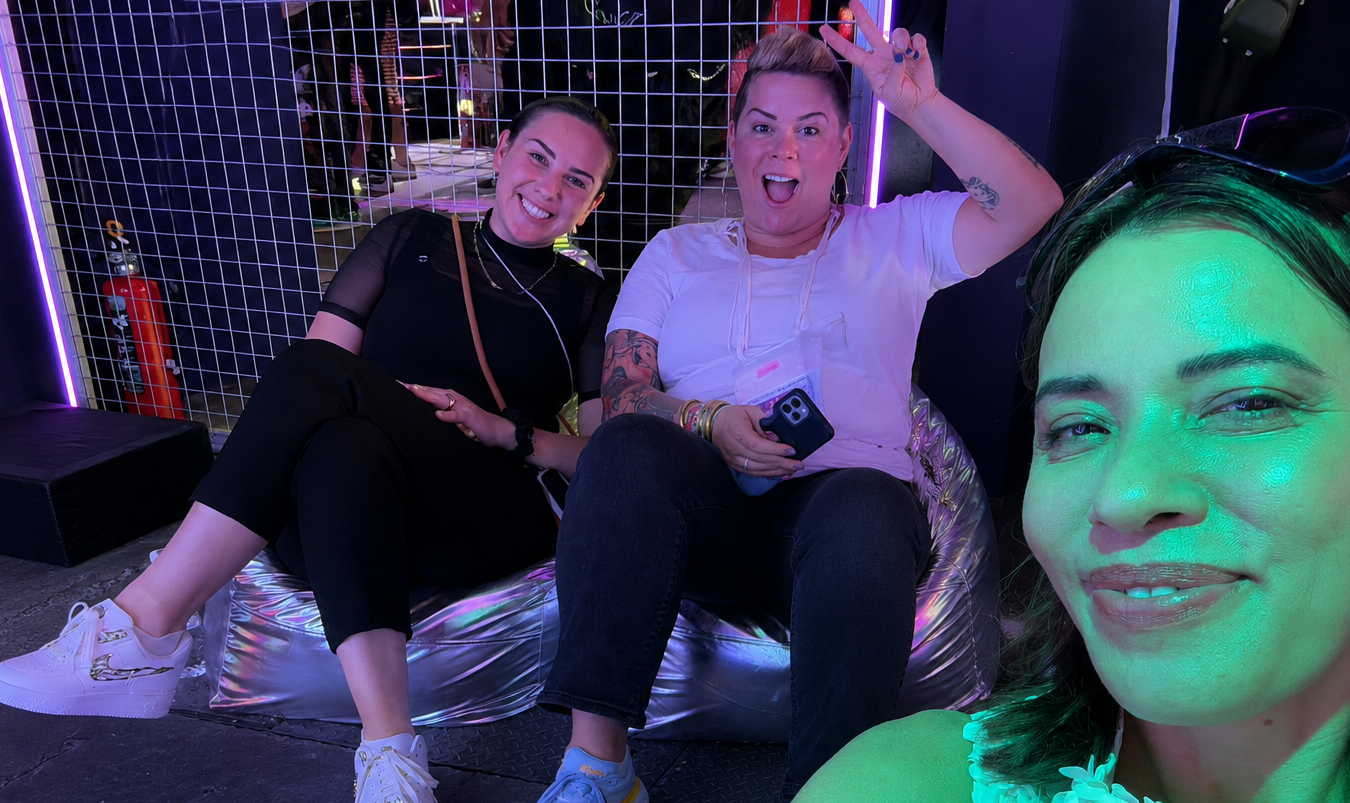
Most people think global experiential work is about scale. More cities, more people, more logistics. But scale is easy. The hard part is translation and I’m not talking about language. Making someone feel something in Tokyo looks different in Sao Paulo. The goal is the same, but the pathway to that goal is different. The way people move through a space, interact with strangers, and how they gather around food, music and each other changes how an experience needs to function.
At MAS we believe the best experiences make you feel something more.
We’ve built experiences in 13 countries, and across 4 different continents. And we’ve learned that successful global work is not about exporting the same idea, but preserving the emotional intent while translating the experience for the people moving through it. Making someone feel something, I mean really feel it, anywhere in the world requires nuance. It requires understanding where you are. Not just geographically, but culturally, emotionally and socially.
This knowledge helps us consider how people move through space, it’s not just how a line becomes a queue in London, It helps us decide whether they'd prefer a guided journey or the space to explore. How much spectacle they expect. What feels immersive in one country may be overwhelming in another.
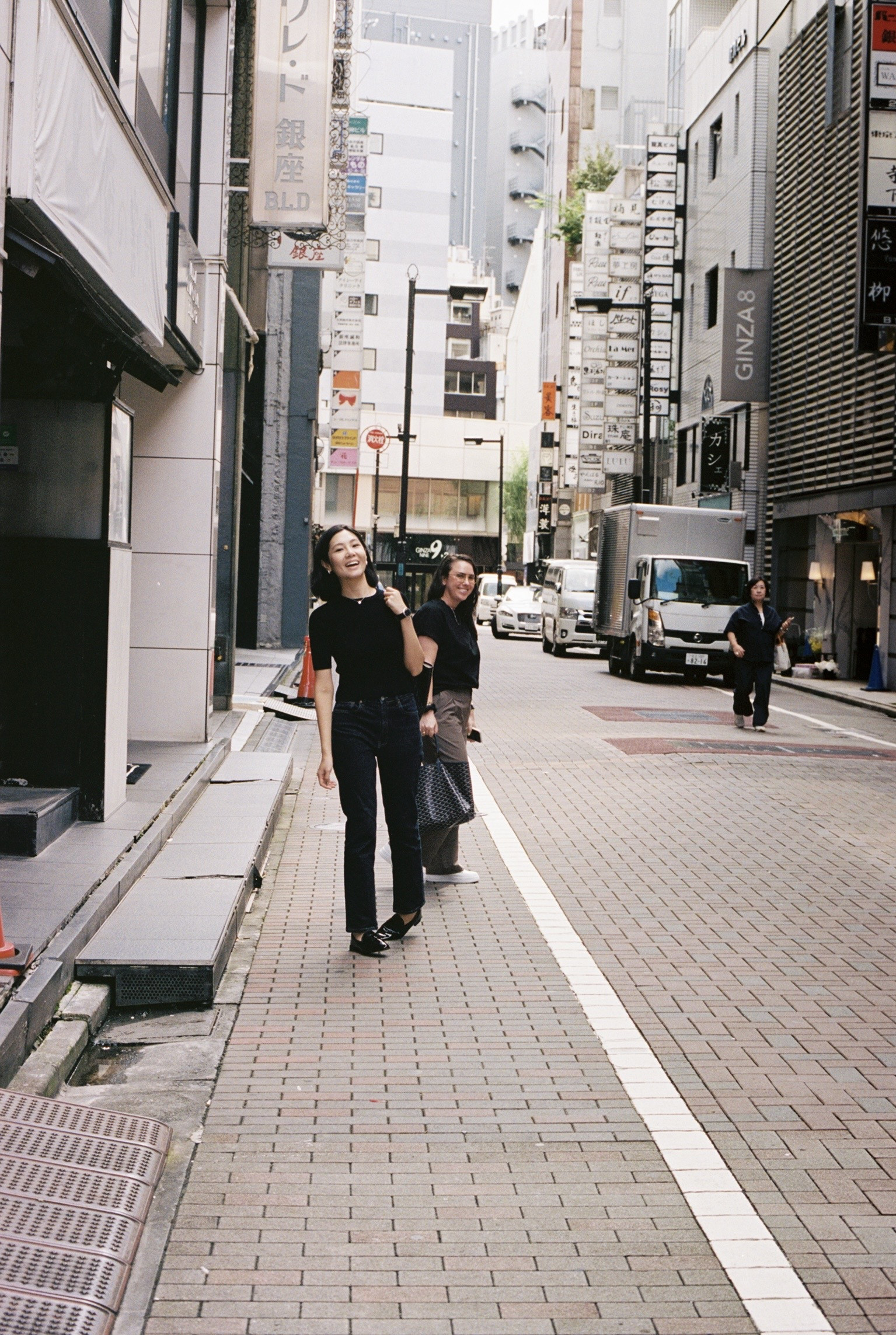
For Arianna Lebed, MAS’ Director of Creative who has led experiences across multiple global markets, those cultural nuances aren’t secondary considerations added during refinement. They shape the experience from the very beginning.
Culture isn't something we layer on at the end, it's a core design input from the very beginning. We think about it as shaping behavior first, not just aesthetics. The experience has to feel like it's been built for the market rather than dropped in.
This same thinking applied to our approach to Qiddiya. A city not yet built. A gaming district not yet open. And a brief centered around us creating global excitement for something audiences couldn't physically experience yet. Rather than take that brief and replicate it city to city the team adapted each experience around the audience experiencing it.
In Cologne, the experience became a fortress built around a complex rune puzzle.
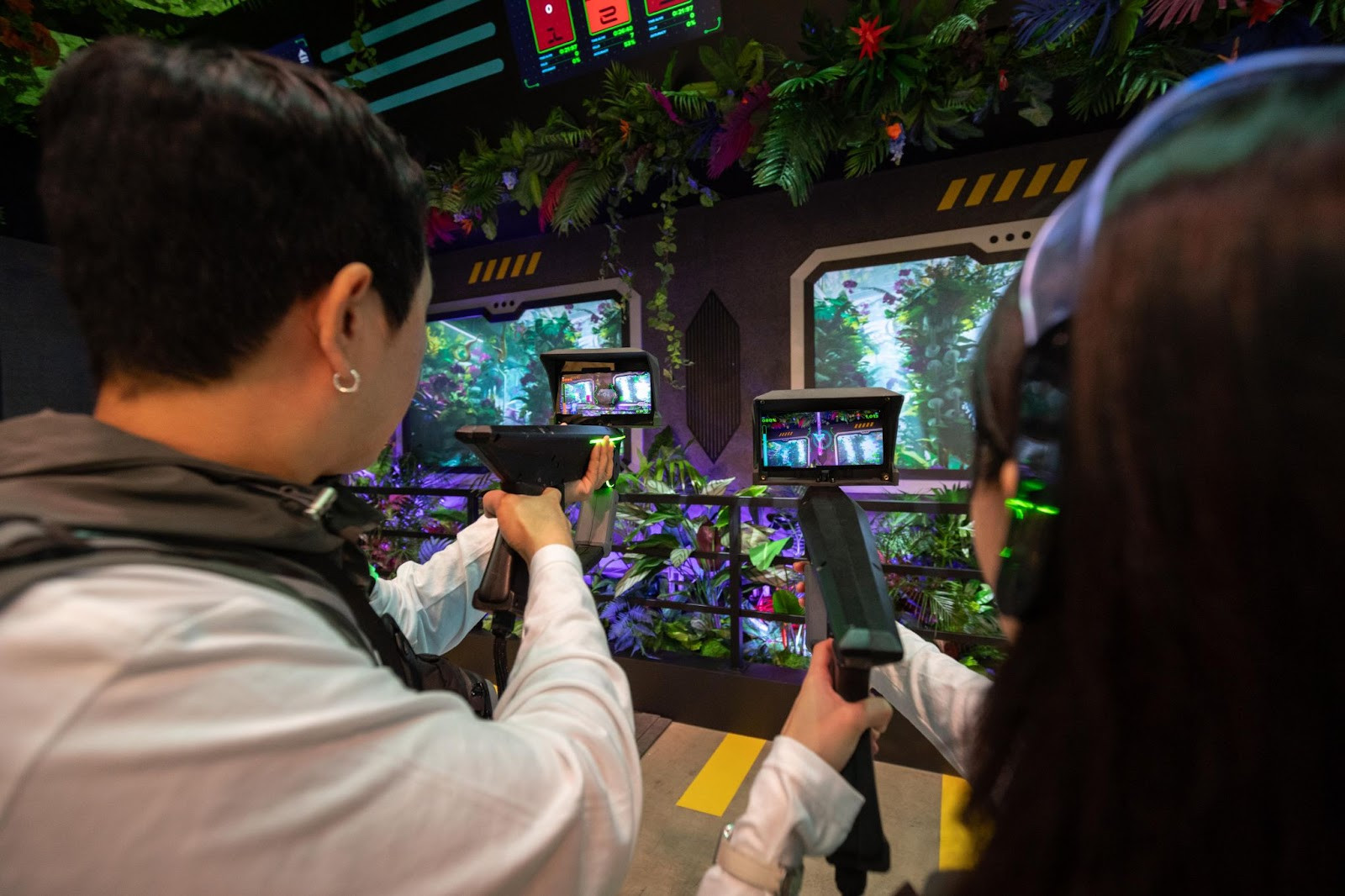
In Seoul, audiences competed against one another within a custom built AR FPS game.
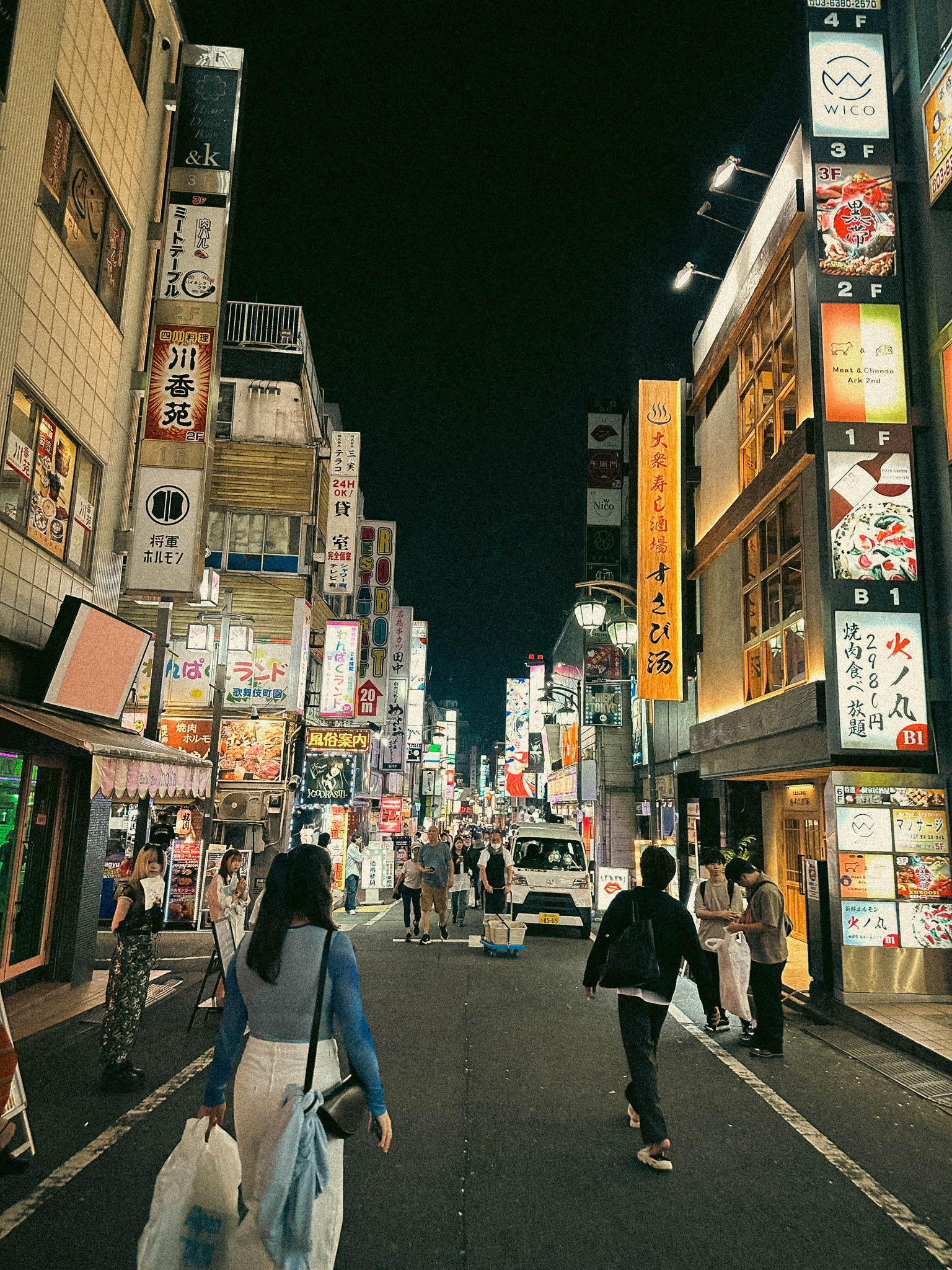
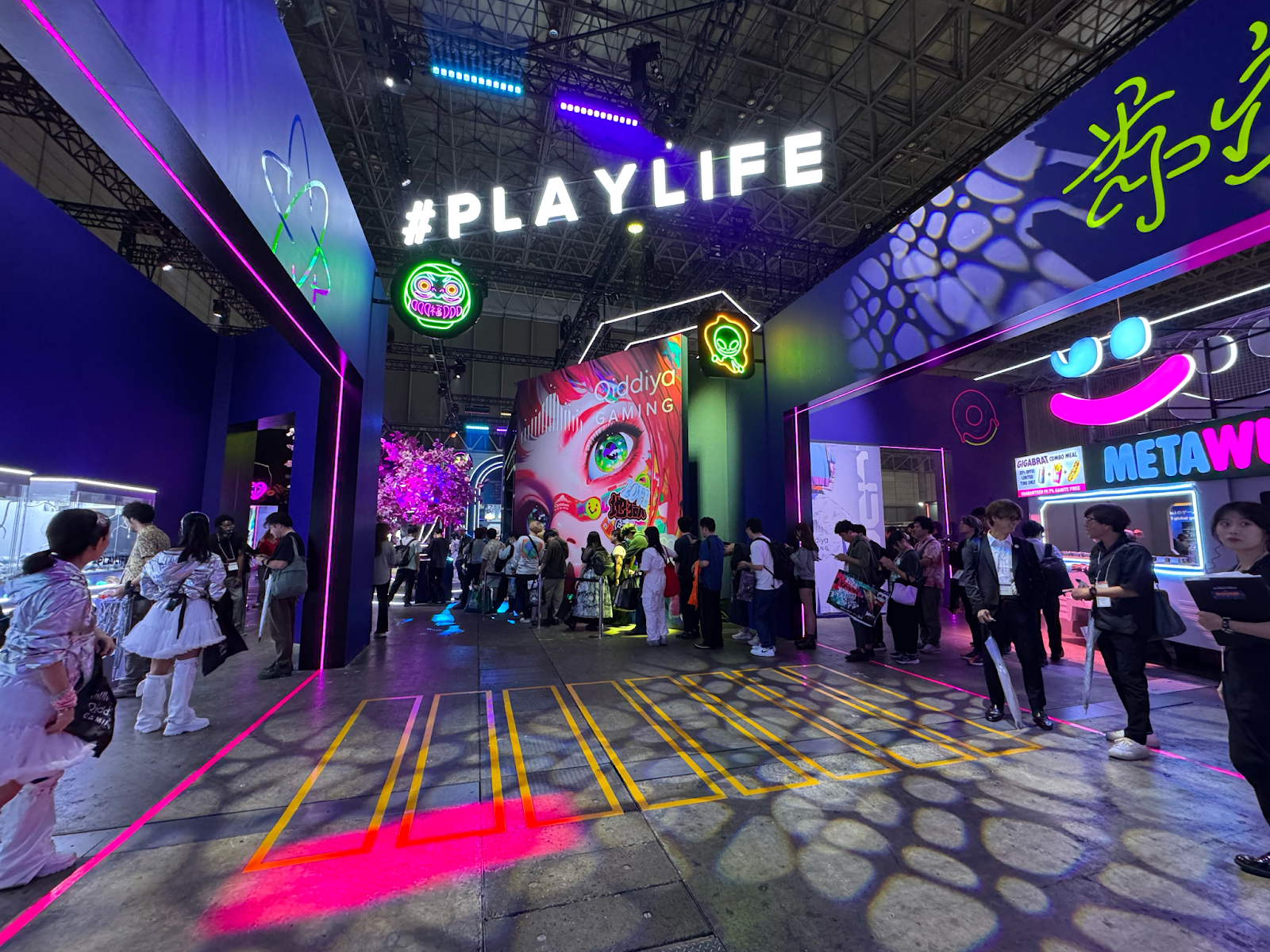
In Tokyo, we transformed the space into an open and explorable cyberpunk city filled with easter eggs.
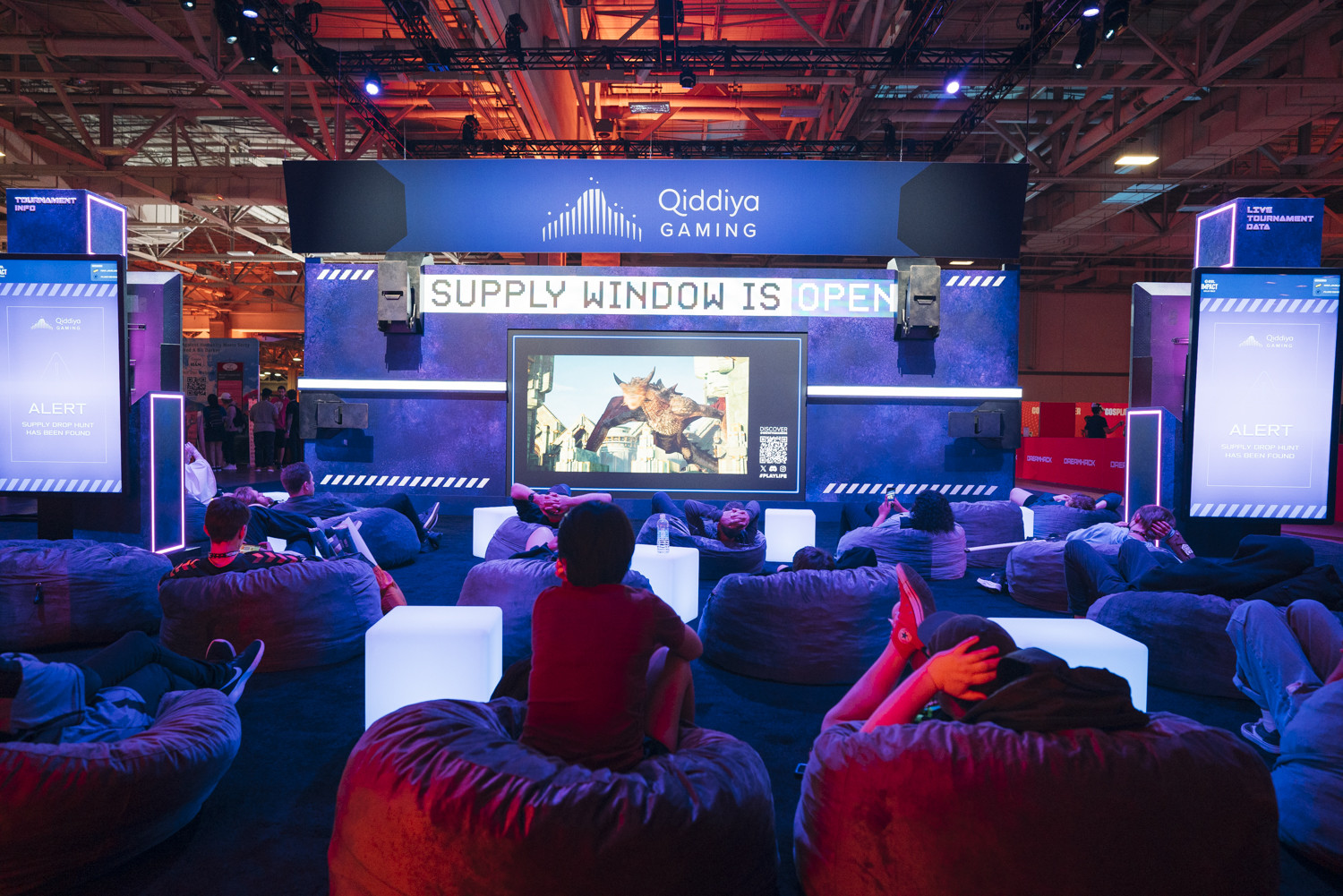
In Dallas, the audience connected through a venue-wide scavenger hunt fueled by clues on Discord.
Each version carried the same emotional intention, but the way people engaged changed with the region.
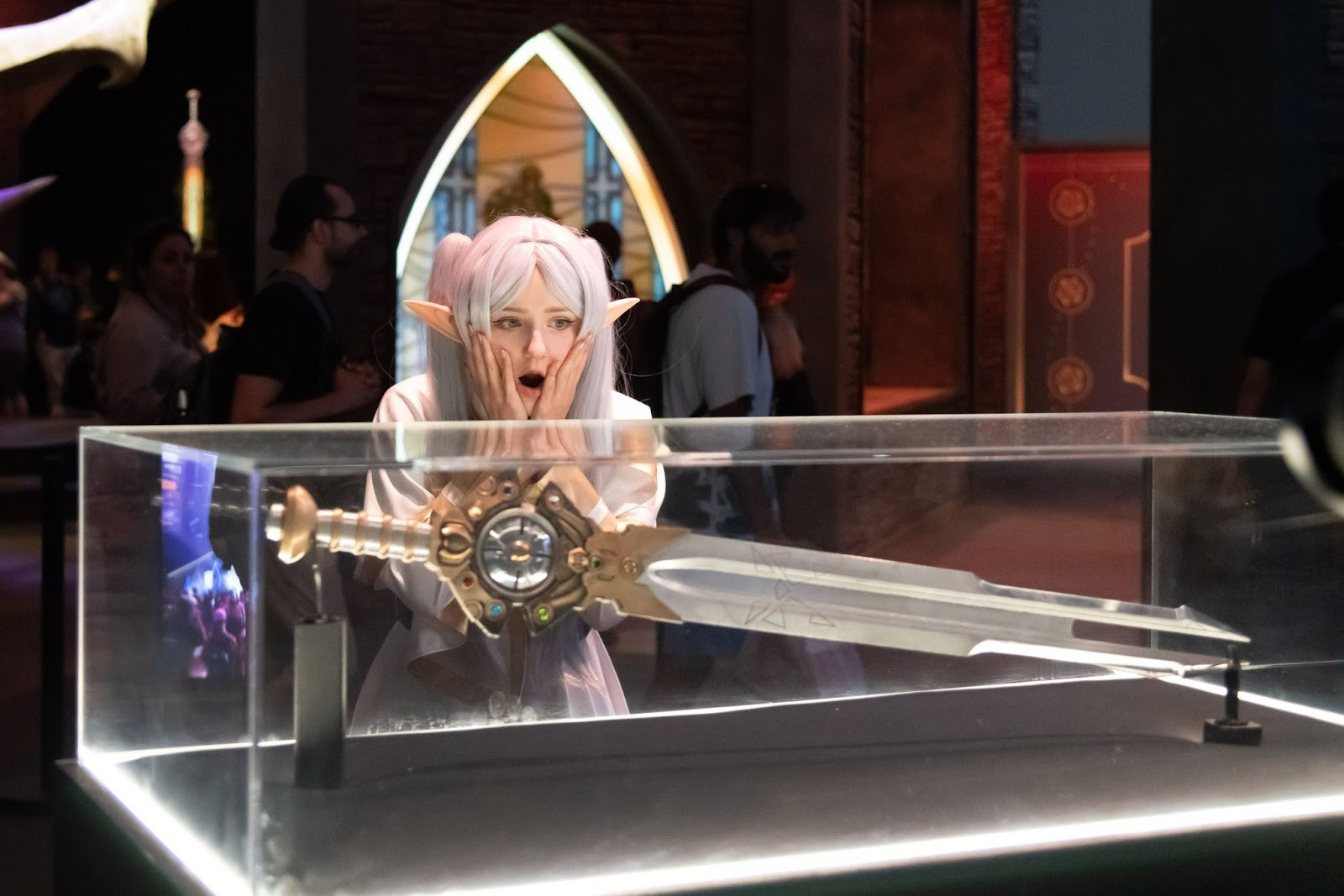
Every city taught us something about its people and its culture, about ourselves, and ultimately how to make our work stronger.
For Arianna, adaptability becomes part of the creative process.
Adaptability isn’t just a logistical skill. It’s a creative one. The ability to adjust, reinterpret, and refine an idea for a specific context is just as important as the idea itself.
Some of the lessons came from the work itself. Others came from everything around it.
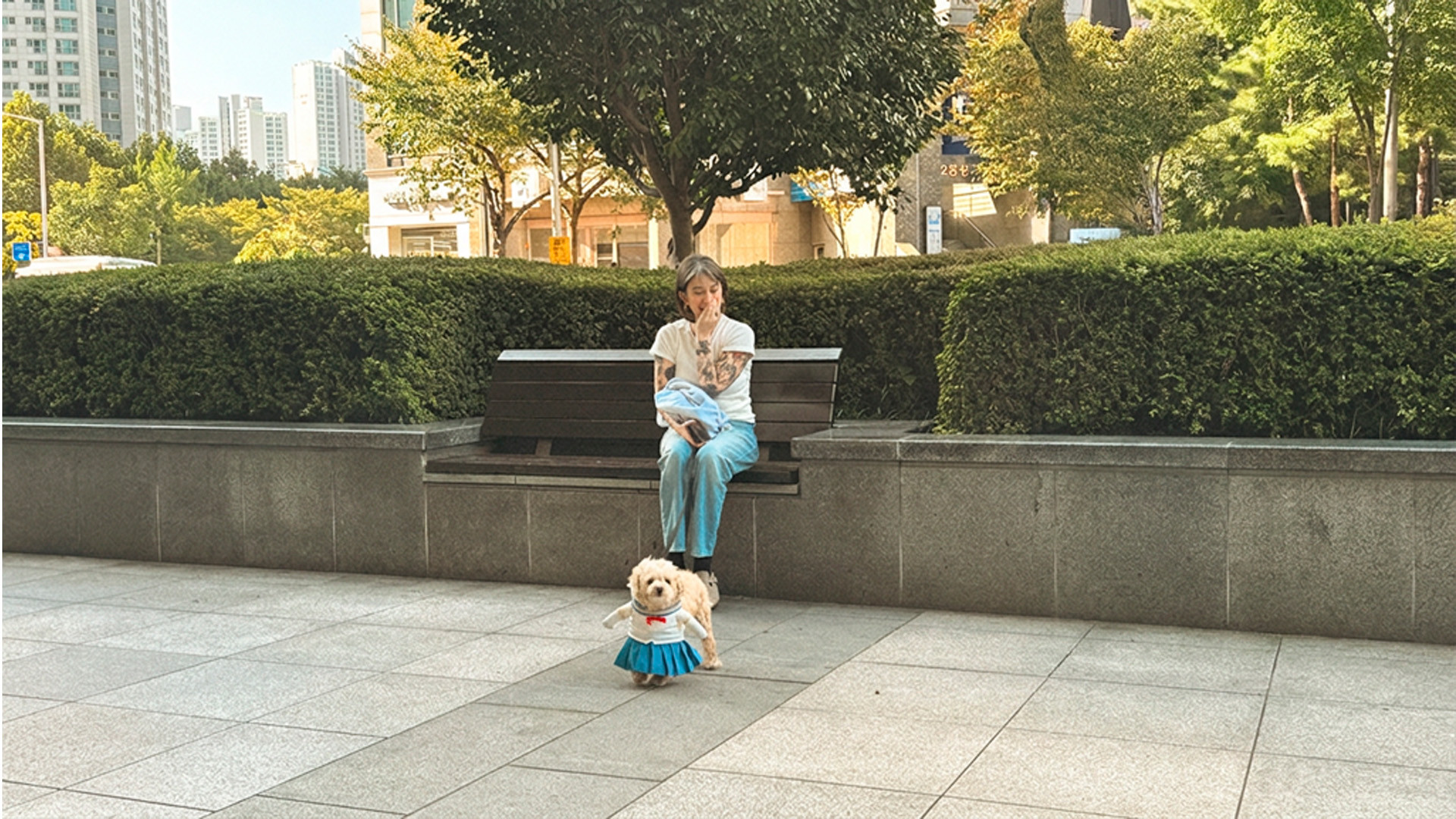
Late night team dinners. Wandering in new neighborhoods and immersing ourselves in the culture. Watching how people celebrate, commute, shop, and just spend time together. These small intimate observations inevitably shape the way we work.
And the learnings extend beyond the creative itself. Every team we’ve collaborated with globally has been deeply capable, but the ways people communicate, make decisions, and approach timelines can vary dramatically across regions.
Working in Tokyo in particular really highlights the value of rigor and attention to detail,” Lebed explains. “At the same time, problem-solving can look very different depending on what’s locally available. What you can source or produce quickly in one market may not exist in another, so adaptability is key.
Looking ahead, Arianna sees the strongest creative opportunities emerging from the balance between global perspective and local specificity.
The best work isn't purely local or purely imported. It's a hybrid that reflects both.
What excites us the most isn't simply expansion into more markets, but continuing to learn from them.
Every country, collaborator and audience challenges us to think differently, design with more intention, and stay curious.
And that’s exactly what keeps the work interesting.